



 Post RFQ
Ultimate Guide to Cement Electric Poles:Specifications,Applications,and Selection
Cement electric poles,as a core building material for power transmission and communication infrastructure,are widely used in rural grid upgrades,urban power distribution projects,and base station construction in remote areas due to their low cost,long service life,and corrosion resistance.This article starts with the basics,covering procurement tips,detailed technical parameters,and more.Whether you are a buyer wondering"how much does a cement electric pole cost"or an engineer seeking installation and maintenance guidance,you’ll find the information you need quickly.
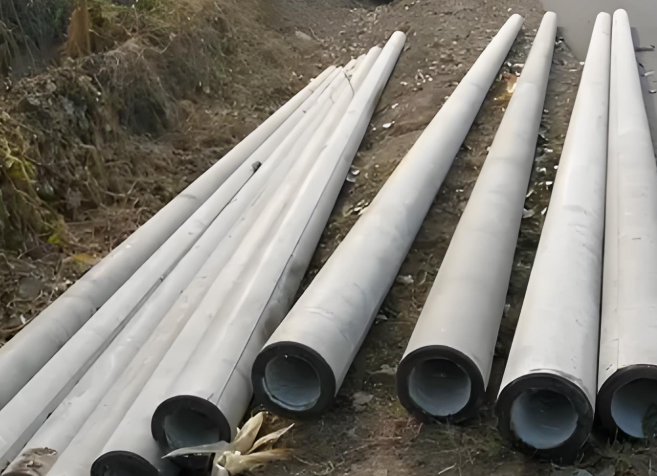
1.What Are Cement Electric Poles?
Cement electric poles(also known as concrete utility poles)are columnar structures made with a steel reinforcement framework and high-strength concrete,formed through centrifugal molding and steam curing.Their primary function is to support power transmission lines and communication cables,requiring resistance to wind,compression,and aging.They must comply with the Chinese national standard GB/T 4623"Circular Concrete Poles."
2.Three Major Classification Methods
By Application:
Power Transmission Poles:Carry high/low-voltage power lines,commonly used in 10kV and 35kV grid projects.
Communication Poles:Support 5G/4G base station cables and broadband lines,often used with brackets and supports.
By Structure:
Tapered Poles:The top is thinner than the bottom(top diameter:150–230 mm,bottom diameter:230–400 mm).These account for over 80%of market demand and are suitable for general applications.
Cylindrical Poles:Uniform diameter(typically 300–400 mm),used for large-span,high-load scenarios(e.g.,cross-river power transmission).
Prestressed Poles:Reinforced with pre-tensioned steel to enhance crack resistance.They are 20%lighter than standard poles and have a longer lifespan(30–50 years).
By Specification:
Heights range from 6 to 24 meters,with 8m,12m,and 15m being the most common(12m poles are widely used in rural power grids,while 15m poles are preferred for urban distribution).
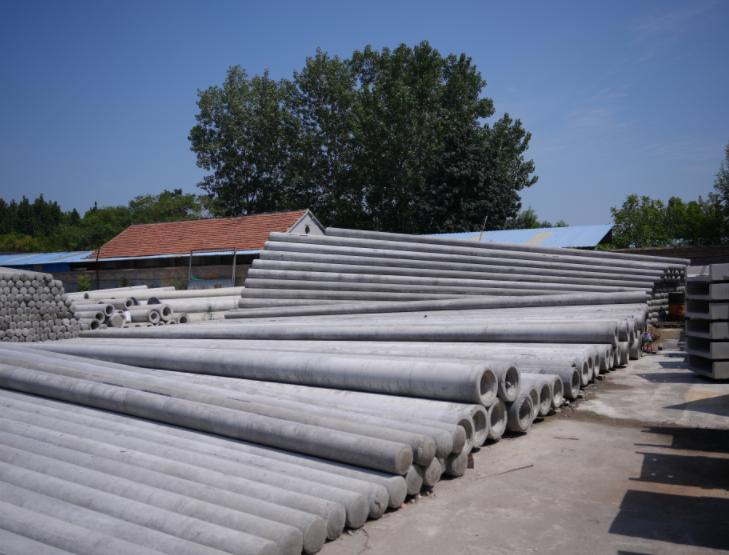
3.Typical Applications of Cement Electric Poles
Rural grid upgrades:Replace old wooden poles to reduce maintenance costs.
Urban power distribution projects:Used with insulators and crossarms to support lines below 10kV.
Communication in remote areas:Withstand typhoons and salt corrosion in coastal and mountainous regions.
4.How to Choose a Reliable Cement Electric Poles Supplier
Certification First:Suppliers must have ISO 9001 Quality Management System certification and power industry access qualifications(e.g.,State Grid Qualified Supplier List).Avoid"three-no products"(no test report,no production license,no warranty).
Production Capacity:Manufacturers with a monthly output of≥500 poles are better suited for project procurement to avoid delays due to insufficient inventory(request production reports from the last 3 months).
After-Sales Support:Ensure a clear warranty period(typically 1–3 years,covering free replacement for cracking/exposed steel).Check if installation guidance(e.g.,lifting point diagrams)is provided and whether there are service networks in remote areas.
5.Procurement Process
Confirm Requirements:Specify height,top diameter,wind resistance level(e.g.,12-level wind resistance for coastal areas),and whether pre-embedded bolts are needed.
Compare Quotes:Obtain quotes from 3–5 manufacturers,focusing on"included items"(e.g.,steel specifications,curing process).
Sign Contracts:Specify quality standards(per GB/T 4623),delivery time(typically 7–15 days),and acceptance methods.
On-Site Inspection:Check for defects(cracks,exposed steel),verify specifications(measure height/diameter with a tape),and request factory test reports(including compressive strength and crack resistance data).
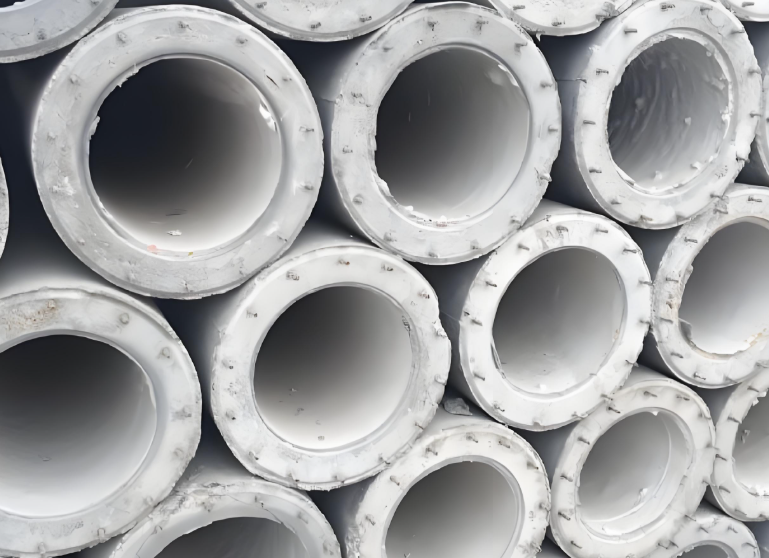
6. Cement Electric PolesKey Installation Steps
Preparation:
Site Survey:Avoid underground pipelines(use detectors)and maintain a distance of≥5 meters from building foundations.
Foundation Pouring:Use C30 or higher concrete.Foundation depth should be 1/6 of the pole height(e.g.,2m for a 12m pole),with pre-embedded anchor bolts(150mm above ground).
Lifting and Installation:
Center of Gravity Control:Set lifting points at 2/5 of the pole length(e.g.,6m for a 15m pole)to prevent bending.
Anti-Tilt Fixing:Vertical deviation should be≤1%(checked with a level).Poles over 15m require 2–3 guy lines(galvanized steel strands buried 1.2m deep).
Grounding Treatment:
Install galvanized grounding electrodes(2.5m long,50mm diameter)at the pole base.Ground resistance should be≤10Ω(≤5Ωin lightning-prone areas)to reduce lightning strike risks.
The above provides an overview of cement electric poles.We hope this helps!



 ALL CATEGORIES
