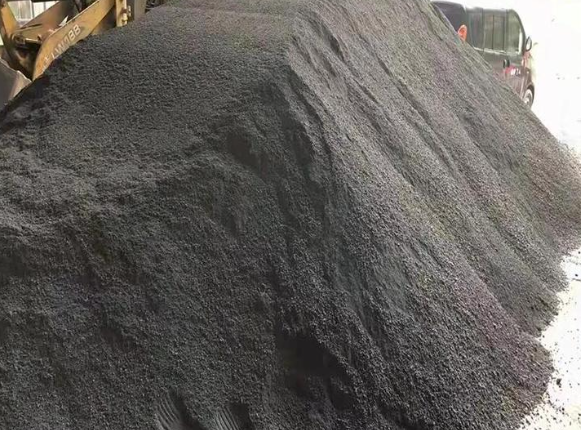
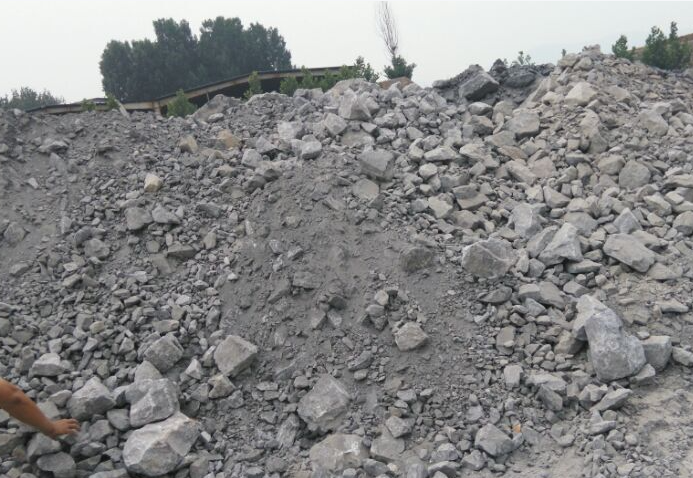
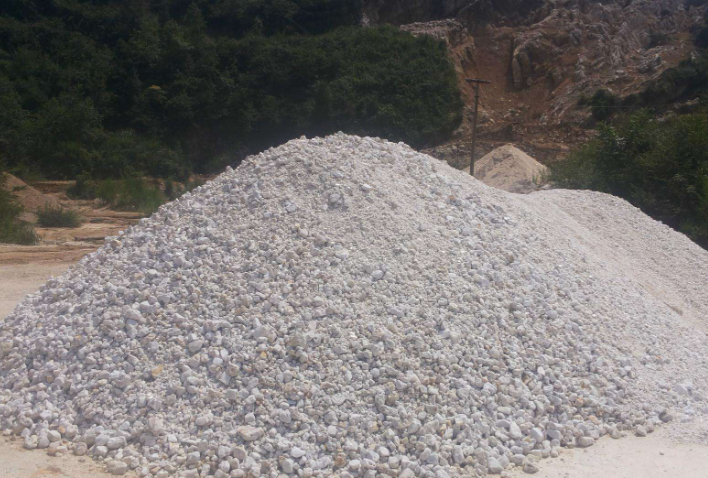


Its core property is high density,achieved using barite(density~4.3-4.6 g/cm³)or other heavy aggregates like magnetite.Higher density improves shielding against X/Gamma rays.For neutron shielding,hydrogen-containing materials(e.g.,water of crystallization)and boron compounds are added;boron effectively captures thermal neutrons.Special care during placement is needed to prevent aggregate segregation and ensure homogeneity.
Primary specifications are density and corresponding shielding performance(e.g.,lead equivalent thickness).Density typically ranges from 2800-3500 kg/m³,and can exceed 5000 kg/m³for special needs.Strength requirements are usually moderate,but homogeneity and long-term volume stability are critical to avoid cracks forming radiation leakage paths.Strict limits on chloride content and other durability indicators are also enforced.
Primarily used in medical facilities:walls,ceilings,and floors of radiology departments,nuclear medicine,linear accelerator rooms,CT scan suites.For reactor biological shielding and nuclear waste storage in nuclear plants.Used in industrial radiography rooms and particle accelerator tunnels in research institutions.Design and construction require close collaboration with health physicists to ensure thickness and density meet protection goals.





 Post RFQ
 Chat
Chat



 ALL CATEGORIES